


By Team Togaa · Updated September 2026 · 16 min read
Quick answer: As a guest at an Indian wedding, dress for each function rather than for "the wedding" as a whole. Wear light, bright, easy-to-move-in outfits such as a sharara set or palazzo set for the mehendi; something you can dance in, like a dhoti pant set, skirt set or lehenga, for the sangeet; and your most formal piece, usually an anarkali or lehenga, for the wedding ceremony and reception. Avoid the bride's colour (often red), avoid all-white or all-black unless the family says it's fine, and always carry a dupatta.
That's the short version. The rest of this guide walks through every function, what to wear to each one, which colours and fabrics work, how to plan a multi-day wardrobe without buying five new outfits, and the etiquette details nobody tells you until you get them wrong.

In this guide
- Why Indian weddings need more than one outfit
- What to wear to the haldi
- What to wear to the mehendi
- What to wear to the sangeet
- What to wear to the wedding ceremony
- What to wear to the reception
- Colours to wear and colours to avoid
- Saree, lehenga, anarkali or kurta set?
- Fabrics by season and venue
- Planning a multi-day wedding wardrobe
- Regional differences worth knowing
- Dressing well on a budget
- Accessories, footwear and hair
- Etiquette checklist for wedding guests
- Frequently asked questions
Why Indian weddings need more than one outfit
An Indian wedding is rarely a single event. Depending on the family, the region and the budget, it can run across two to five days, with a different function on each day or even two functions on the same day. The Hindu wedding itself is only one part of it. Around it sit pre-wedding functions such as the haldi, the mehendi and the sangeet, and post-wedding functions such as the reception.
Each of these has a different mood. The haldi is messy and informal. The mehendi is relaxed and colourful. The sangeet is a party. The wedding ceremony is the most traditional and formal. The reception is closer to an evening event. A single outfit simply can't be right for all of them, which is why "what should I wear to an Indian wedding?" is really five smaller questions.
The good news is that you don't need five equally elaborate outfits. The trick is to match the effort to the function: keep the heavy embroidery for the ceremony and reception, and wear lighter, simpler sets for the daytime functions. We'll show you how to do that below.
Read the invitation first
Before planning anything, read the invitation carefully. Many families now print a dress code or colour theme for each function: "yellow for haldi", "Indo-western for sangeet", "pastels for the day wedding". If there's a theme, follow it. If there isn't, the function-by-function guidance below will keep you appropriately dressed.
If you're unsure, it's completely acceptable to ask the host or a close family member. They'd much rather you ask than feel out of place.
What to wear to the haldi
The haldi (also called the mayian or ubtan ceremony in some communities) is a pre-wedding ritual in which a turmeric paste is applied to the bride and groom. Wikipedia describes it as a preparation ceremony usually held the day before the wedding, typically in the morning, at the family home.
Two things matter most for a haldi outfit:
- Colour. Yellow is the traditional colour of the haldi, and many families ask guests to wear yellow, mustard, or other warm and bright shades. Greens, oranges and light pinks also work well.
- Fabric you don't mind getting stained. Turmeric stains. Guests close to the couple often end up with haldi on their clothes, so this is not the day for your most precious outfit.
Best outfit choices for a haldi
- A simple, comfortable kurta set in a bright colour
- A cotton or light-fabric suit set with a dupatta you can drape and forget
- A short kurta with dhoti pants or palazzos for easy movement
Olive, mustard and green tones photograph beautifully in daylight. Togaa's Sitaara, an olive satin dhoti pant set with gold lace trim, was designed with sangeet and haldi nights in mind. Its short kurti and tapered dhoti pants keep you comfortable on the floor, where much of the ritual happens.

What to wear to the mehendi
The mehndi ceremony is when henna is applied to the bride's hands and feet, and often to guests' hands too. It's usually relaxed, musical and colourful, held in the afternoon or evening.
What makes a good mehendi outfit
- Bright or fresh colours. Green is closely associated with the mehendi, along with pink, orange, yellow and mint.
- Sleeves that stay out of the way. If you plan to get henna applied, short sleeves, three-quarter sleeves, or sleeveless styles make life easier. Long, heavy sleeves can smudge wet henna.
- Comfortable bottoms. You'll probably be sitting on low seating or cushions for a while, so flared pants, shararas and palazzos are more comfortable than a fitted churidar.
- Light embroidery. Save the heaviest pieces for later in the week.
Best outfit choices for a mehendi
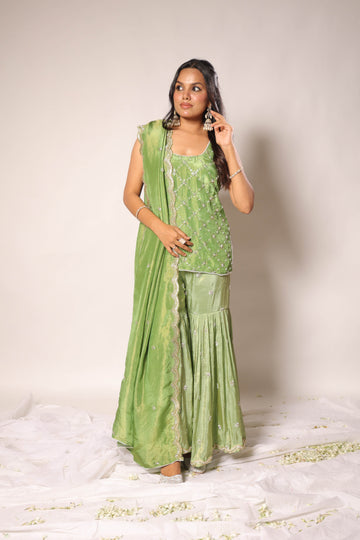
A sharara set is one of the most popular mehendi choices, and for good reason: it's festive, it moves beautifully, and it's comfortable to sit in. Togaa's Mahi is a green embroidered sharara set with a round neck, flared sharara palazzos and a dupatta with a scalloped border. Green is the classic mehendi shade, and the sequin work catches afternoon light without being heavy.

If you prefer something more modern, a one-shoulder or peplum silhouette works well at contemporary or cocktail-style mehendis:
- Muski, a rose pink one-shoulder kurta with wide palazzos
- Ruhani, a deep pink satin peplum set with a baby pink organza dupatta
If you're unsure what separates a sharara from a gharara or palazzo, we've explained it in detail in our sharara vs gharara vs palazzo guide.
What to wear to the sangeet
The sangeet is the party night: music, dance performances by family and friends, and usually a dinner. Unlike the haldi and mehendi, it's typically held in the evening, which means you can go a little more glamorous.
What makes a good sangeet outfit
- Freedom of movement. If there's any chance you'll dance, and there usually is, choose something you can move in. Avoid anything you have to hold up or constantly adjust.
- Evening-appropriate shine. Sequins, satin, zari and metallic threads look great under evening lighting.
- A secure dupatta. Either pin it or choose a style where it drapes over one shoulder.
Best outfit choices for a sangeet
- A lehenga or skirt set. Swirling skirts are made for dance floors. Togaa's Meera is a rust lehenga set with thread and sequin work and an open-back halter blouse. For something lighter, Arohi pairs a red square-neck blouse with a panelled skirt with gold lace borders, giving a lehenga-style look with less volume.
- A dhoti pant set. Fashion-forward, comfortable and easy to dance in. See Sitaara.
- An Indo-western one-shoulder set. Muski sits well at cocktail-style sangeets.

What to wear to the wedding ceremony
The wedding ceremony, where the pheras or equivalent rituals take place, is the most traditional part of the celebration. It's the function where the families, elders and religious rituals are front and centre, so this is where your most formal and most traditional outfit belongs.
What makes a good wedding-ceremony outfit
- Traditional silhouettes. Lehengas, anarkalis, sarees and embroidered suit sets are all appropriate.
- Rich but not overpowering. You want to look like you made an effort, but you should never compete with the bride.
- Modest coverage for the rituals. Many ceremonies happen in or near a mandap or temple. A dupatta that can cover your head, and a neckline and sleeve length you're comfortable with in front of elders, are sensible.
- Comfort for a long day. Ceremonies can run for hours, and there may be periods of sitting. Choose fabric and fit you can live in.
Day wedding vs night wedding
In many regions, weddings happen during the day. In others, the main ceremony is at night and can run into the early hours. This changes your colour and fabric choices:
- Day ceremonies suit lighter colours, pastels, ivory with a colourful accent, and fabrics that breathe, such as chanderi and light silks.
- Night ceremonies suit deeper jewel tones, gold, and more embellishment.
For a day wedding, Togaa's Meher, an ivory A-line kurta set with multicolour floral embroidery and rani-pink pants, and Saumya, an ivory anarkali with maroon lace and a maroon dupatta, both look festive without being heavy. For an evening ceremony, Maya, a golden embroidered anarkali with a sheer scalloped zari dupatta, is formal enough for the main event.

What to wear to the reception
The reception is usually the most "western" of the functions: an evening party where the newly married couple greets guests. Dress codes range from formal Indian to Indo-western to cocktail.
Best outfit choices for a reception
- An embroidered anarkali. Floor-length and elegant, an anarkali is formal without the weight of a full lehenga. See Maya.
- A lehenga. Still perfectly appropriate, especially for close family.
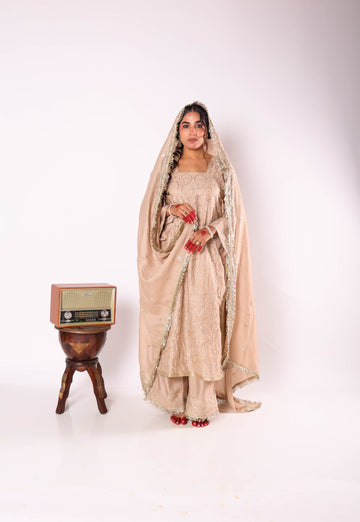
- An embroidered chanderi or satin suit set. If you prefer something easier to wear, a well-cut suit set with a statement dupatta works. Togaa's Harini (olive green with zari and sequin embroidery) and Pravya (beige with thread and sequin embroidery) are both made for weddings and receptions.

Colours to wear and colours to avoid
Colour etiquette at Indian weddings varies by community, so treat these as general guidelines rather than strict rules.
Colours that usually work well
- Jewel tones: emerald, deep green, sapphire, ruby-adjacent pinks, purple
- Warm festive colours: mustard, marigold, orange, rust, gold
- Pastels for daytime: lavender, mint, blush, powder blue
- Ivory with a colourful accent: such as ivory and rani pink, or ivory and maroon
Colours to think twice about
- Bridal red. Many brides wear red, and guests generally avoid looking like a second bride. If the bride is wearing another colour, avoid that one instead. When in doubt, ask.
- All-white. In some communities, white is associated with mourning. Ivory or off-white with colourful embroidery or a bright dupatta is usually fine.
- All-black. Traditionally considered inauspicious in some families, although it's increasingly common at cocktail and reception events. Follow the invitation and the family's lead.
A useful rule: if the colour could be mistaken for the bride's, or if a family elder might find it inappropriate, pick something else.
Saree, lehenga, anarkali or kurta set?
This is the question guests search for most. The honest answer is that all four are appropriate at Indian weddings. What matters is which function you're dressing for and how comfortable you'll be.
| Outfit | Best for | Why it works | Watch out for |
|---|---|---|---|
| Saree | Ceremony, reception | Timeless, universally appropriate | Needs practice to drape and manage all day |
| Lehenga | Sangeet, ceremony, reception | Most festive and celebratory | Can be heavy; harder to sit in for long rituals |
| Anarkali | Ceremony, reception, sangeet | Formal and floor-length, easy to wear | Very long flares need care on stairs |
| Sharara set | Mehendi, sangeet | Festive, comfortable to sit and dance in | Can look too casual for a formal ceremony if plain |
| Kurta or suit set | Haldi, mehendi, day functions | Comfortable, practical, easy to style up | Choose embroidery to make it wedding-appropriate |
If you're torn between a saree and a lehenga, think about the function. For the sangeet and reception, a lehenga is often easier to move in and more fun. For the ceremony, a saree is a classic, respectful choice. We've compared these silhouettes in more depth in our anarkali vs lehenga vs kurta set guide.
Fabrics by season and venue
Indian weddings happen year-round, and venues range from air-conditioned banquet halls to open lawns in May. Fabric can make or break your day.
Summer and outdoor daytime functions
Choose fabrics that breathe and don't trap heat:
- Chanderi. Light and sheer with a soft sheen. Chanderi weaving comes from Chanderi in Madhya Pradesh, and Chanderi sarees were among the first products in India to receive a Geographical Indication (listed for 2004–05). Togaa's Gulrang edit is built around chanderi suit sets.
- Cotton and cotton-silk blends. Practical for the haldi.
- Organza dupattas. Sheer and featherlight, they add drama without weight.
Winter and evening functions
- Satin. Lustrous and fluid, satin looks rich under evening lighting. Satin is a weave rather than a fibre, with a glossy face and dull back, and it can snag, so handle it with care.
- Heavier embroidered fabrics. Sequins, zari and thread work add warmth and glamour.
- Velvet and brocade. Traditional winter choices for receptions.
Not sure which fabric suits you? Our chanderi vs satin vs organza guide compares them on comfort, drape, care and occasion.
Planning a multi-day wedding wardrobe
If you're attending a three- or four-day wedding, planning your outfits together saves money and stress. Here's a simple framework.
Step 1: List every function and its time of day
Write down each event, whether it's day or night, indoor or outdoor, and any colour theme. This tells you where to spend and where to save.
Step 2: Assign your "hero" outfit
Pick the one function where you most want to look your best. For most guests, that's the wedding ceremony or the reception. This is where your most embroidered piece goes.
Step 3: Go lighter for the rest
Daytime functions need comfortable, easy sets. Kurta sets, palazzo sets and sharara sets are ideal.
Step 4: Re-style, don't re-buy
A good suit set can be worn twice at the same wedding with different styling. Swap the dupatta, change your jewellery, and switch from a bun to open hair. Nobody will notice, and you'll pack lighter.
A sample three-day wedding wardrobe
| Day | Function | Outfit idea from Togaa |
|---|---|---|
| Day 1 morning | Haldi | Sitaara, olive satin dhoti pant set |
| Day 1 evening | Mehendi | Mahi, green embroidered sharara set |
| Day 2 evening | Sangeet | Arohi or Meera |
| Day 3 | Wedding ceremony (day) | Meher or Saumya |
| Day 3 evening | Reception | Maya, golden embroidered anarkali |
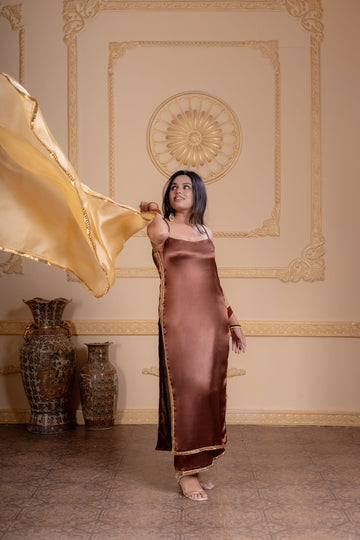
You can browse all of our wedding pieces in the Moh edit and the satin sets in the Lail edit.
Regional differences worth knowing
India is huge, and wedding customs differ from one community to the next. You don't need to be an expert, but a few broad patterns help you avoid surprises:
- North Indian and Punjabi weddings often have the longest list of functions, including a lively sangeet and a jaggo, and guests tend to dress up in bright colours and heavy embroidery. Punjabi wedding traditions describe many of these pre-wedding rituals. Lehengas, anarkalis and sharara sets are all common.
- South Indian weddings frequently happen in the morning, and silk sarees are a traditional choice for women. A silk or chanderi suit set in a rich colour is a respectful alternative if you don't wear sarees.
- Gujarati and Marwari weddings often feature garba or dandiya nights where flared skirts and lehengas are ideal for dancing.
- Bengali weddings tend to have evening ceremonies, and red and white are closely associated with the bride, so guests usually choose other colours.
- Maharashtrian weddings often have daytime ceremonies with a traditional feel; sarees and elegant suit sets both fit well.
When in doubt, look at what the family members are wearing in the pre-wedding photos they share, or simply ask. Hosts appreciate guests who make the effort to understand their traditions.
Dressing well on a budget
Looking good across a multi-day wedding doesn't have to be expensive. A few principles help you get more from each outfit:
- Invest in one hero piece. Spend on the outfit you'll wear to the ceremony or reception, and keep the rest simpler.
- Choose versatile colours. An ivory, beige or navy set can be styled up for a wedding and down for a family dinner later.
- Buy separates that mix. A good dupatta can refresh a plain kurta set. Satin palazzos can pair with a different kurta later.
- Think beyond the wedding. A chanderi or satin suit set you'll wear again at Diwali, Eid, poojas and family functions is better value than an outfit you'll wear once.
- Check what's included. Some outfits are sold without a dupatta or bottoms. Every current Togaa set includes a dupatta, and the "What's included" section on each product page lists every piece.
Accessories, footwear and hair
Jewellery
- Heavy necklines, light necklace. If your outfit has an embroidered or statement neckline, skip the necklace and wear statement earrings instead. Jhumkas and chandbalis are the classic choice.
- One-shoulder and strappy necklines. Let the neckline breathe; earrings only.
- Plain necklines. This is where a choker or layered necklace shines.
- Kundan and polki suit gold, ivory and jewel-toned outfits. Kundan is a traditional Indian gem-setting technique that has been popular for bridal and festive jewellery for centuries.
Footwear
You'll likely be on your feet for hours, dancing, and walking across lawns or gravel. Prioritise comfort:
- Juttis and mojaris are flat, comfortable and traditional. See the mojari for background.
- Block heels are much easier than stilettos on grass and stairs.
- Kolhapuris work for relaxed daytime functions. The Kolhapuri chappal is a traditional handcrafted sandal from Maharashtra.
Always carry a spare pair of flats.
Hair and makeup
- Mehendi and haldi: soft waves, braids, and fresh, dewy makeup.
- Sangeet: a secure hairstyle that survives dancing, like a sleek ponytail or half-up style.
- Ceremony and reception: a low bun with flowers or a gajra is timeless, with more defined makeup for evening.
Etiquette checklist for wedding guests
Beyond the outfit, a few small things make you a thoughtful guest:
- Don't outshine the bride. No bridal red, no bridal-level heaviness.
- Carry your dupatta to the ceremony. You may want to cover your head at religious rituals.
- Dress for the venue. Temples and gurdwaras may require covered heads and removing footwear.
- Check the weather and venue. Outdoor summer weddings call for breathable fabrics; winter lawn functions may need a shawl.
- Plan outfit changes. If two functions fall on the same day, keep your second outfit easy to change into.
- Try everything on before you travel. Check the fit, the dupatta drape, and whether you can sit and walk comfortably.
- Order early. If you're buying online, leave enough time for delivery and any size exchange. Togaa ships across India; if you need an outfit by a specific date, contact us before ordering. Check the size chart first to reduce the chance of an exchange.
Final thoughts
The best wedding-guest outfit is the one that fits the function, respects the family, and lets you enjoy yourself. Match the effort to the event, keep your heaviest piece for the ceremony or reception, avoid the bride's colour, and prioritise comfort for long days.
If you'd like help choosing an outfit for a specific function, write to us at support@togaa.in or read our FAQs. You can also explore the full Togaa collection.
Key takeaways
- Dress for each function separately: haldi, mehendi, sangeet, ceremony and reception each have their own mood.
- Keep your heaviest, most formal outfit for the wedding ceremony or reception.
- Choose light, breathable, easy-to-sit-in outfits such as sharara sets and kurta sets for daytime functions.
- Avoid the bride's colour, and be careful with all-white and all-black.
- Always carry a dupatta, comfortable footwear and a spare pair of flats.
Frequently asked questions
What should a female guest wear to an Indian wedding?
Wear traditional or Indo-western Indian clothing suited to each function: a light kurta or sharara set for daytime functions, something you can dance in for the sangeet, and an anarkali, lehenga or saree for the wedding ceremony and reception.
Can I wear a lehenga to a wedding as a guest?
Yes. Lehengas are a popular guest choice, especially for the sangeet, ceremony and reception. Avoid a bridal red lehenga with heavy bridal-level embroidery so you don't compete with the bride.
Is it okay to wear a saree or a lehenga to an Indian wedding?
Both are appropriate. A saree is a timeless choice for the ceremony. A lehenga is often easier and more fun for the sangeet and reception. Choose based on the function and your comfort.
What colours should I avoid at an Indian wedding?
Avoid the bride's colour, which is often red. Be careful with all-white and all-black, which some families consider inappropriate for weddings. Ivory with colourful embroidery is usually fine.
What should I wear to a mehendi?
Choose bright colours such as green, pink or yellow, sleeves that stay out of the way of the henna, and comfortable bottoms like a sharara or palazzo. Togaa's Mahi, a green embroidered sharara set, is a good example.
What should I wear to a haldi ceremony?
Wear yellow or other bright colours in a simple, comfortable outfit you don't mind getting stained, because turmeric paste can mark clothing.
What should I wear to a sangeet?
Wear something festive that you can dance in: a lehenga, a skirt set, a dhoti pant set or an Indo-western set, with a securely draped dupatta.
Can I wear the same outfit to two functions?
Yes. Re-style it with a different dupatta, different jewellery and a new hairstyle. It's practical and nobody will mind.
What should I wear to a day wedding in summer?
Choose breathable fabrics such as chanderi, cotton-silk or light satin, in pastels or ivory with a colourful accent, with light embroidery.
What shoes should I wear to an Indian wedding?
Comfortable flats like juttis or mojaris, or block heels. Carry a spare pair of flats, because functions can be long and venues often have grass or stairs.


